
Desk fan kickflip test: one unedited result
This controlled test publishes the input, the complete unedited output, the exact template and model record, and the result we actually observed. The video kept a recognizable fan at first, but it did not complete the intended kickflip and is not suitable as a finished ad.
- By the FlyingCarVideo Editorial Team
- Editorial policy and operator information
Authorized test input
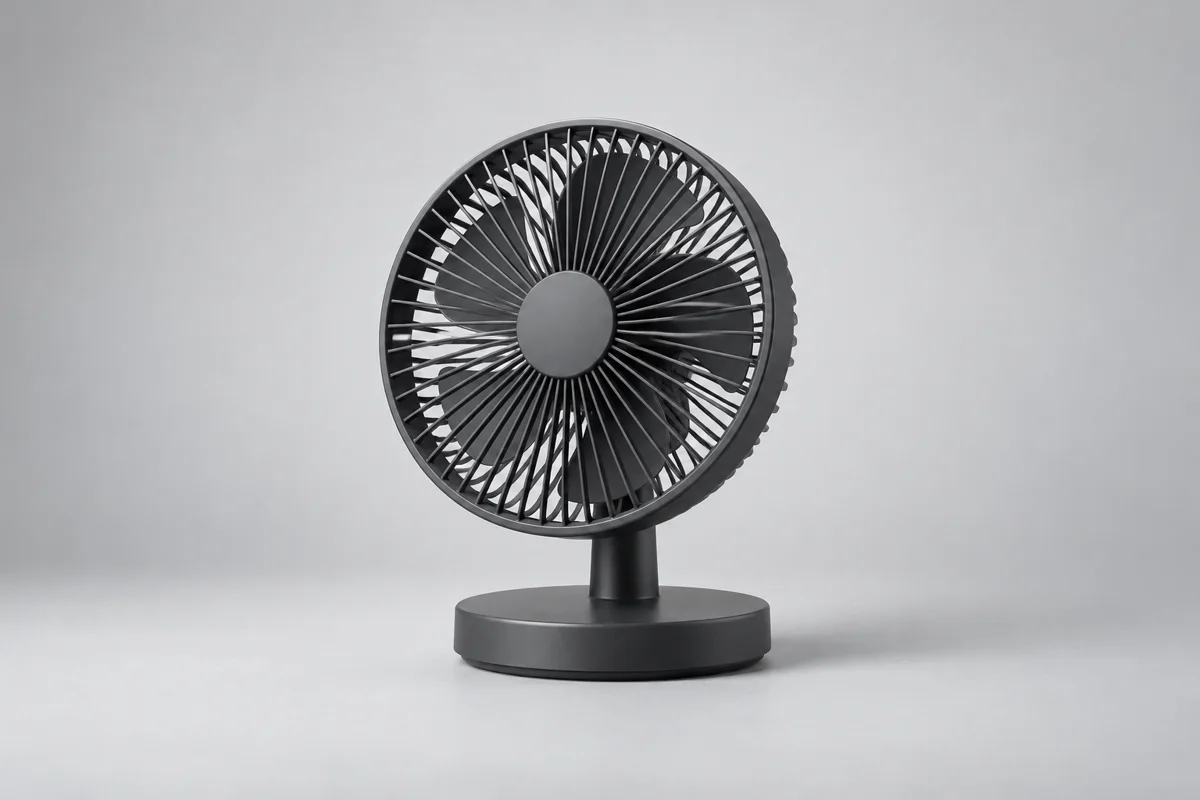
Site-controlled test asset used by the local end-to-end helper. The helper required explicit image-rights confirmation before submission. The exact original PNG is linked below; the displayed WebP is only a smaller preview.
Open the exact original input PNG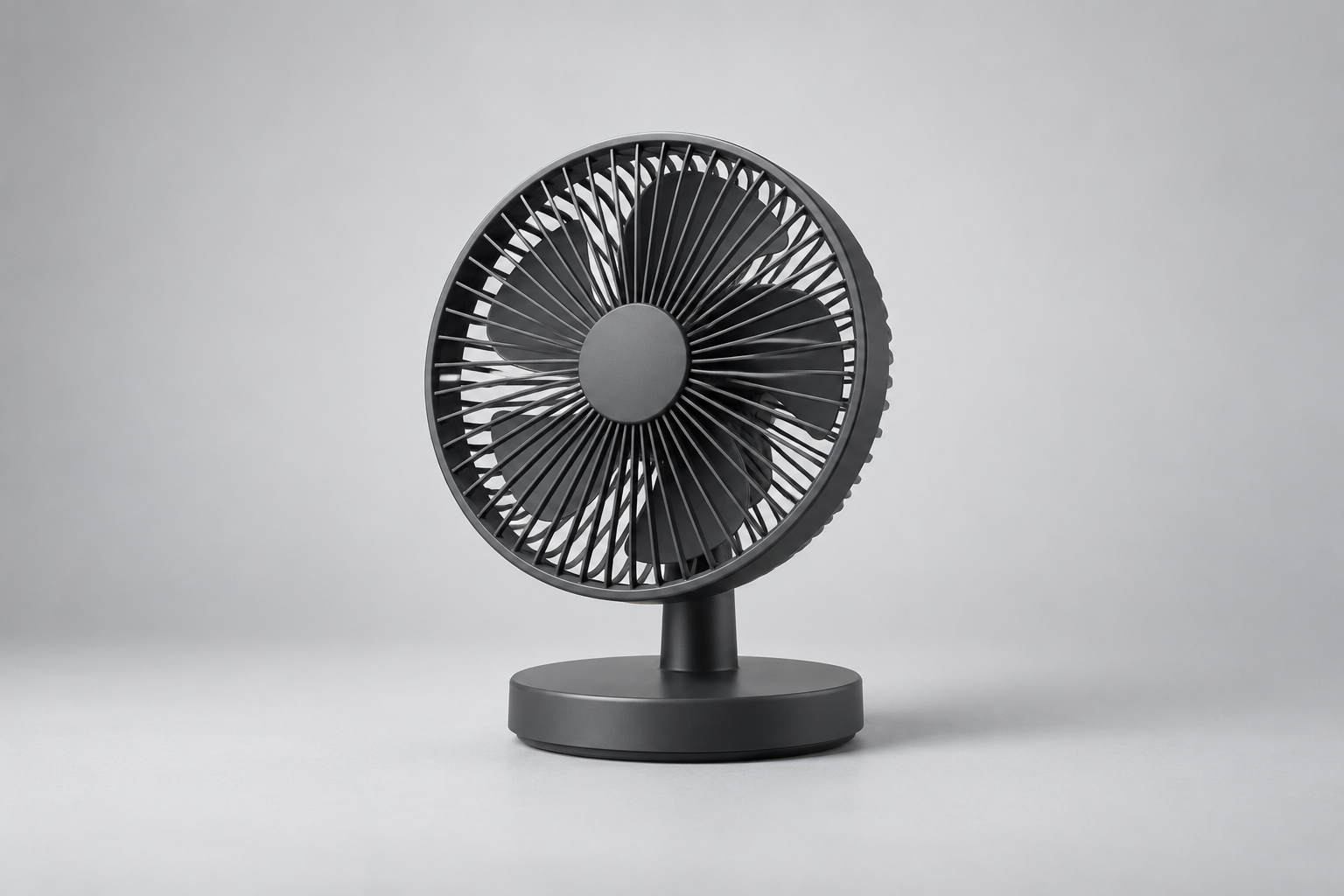
Complete unedited output
This is the complete stored provider output, copied byte-for-byte from the successful task record. It has no cuts, captions, speed changes, color treatment, or replacement audio.
Open the original MP4Verdict: the target motion failed
The result does not show the desk fan performing the head-on kickflip. It preserves the basic grille and fan silhouette in early frames, then reduces and obscures the subject while vehicles from the reference scene remain visible. We would reject this output for a product ad.
Recorded generation facts
- Provider and model
- MiniMax · MiniMax-H3
- Template record
- Kickflip Head-On · template version 1 · prompt version kickflip-head-on-en-v1
- Attempt count
- 1 attempt; maximum attempts recorded: 1
- Task created
- October 19, 2026 at 14:15:21 UTC
- Measured output
- 8.000 seconds · 1344 × 768 · H.264 at 24 fps · AAC audio · 1,201,388 bytes
What the frames show
- Partial success: the opening frames contain a recognizable black desk fan with its circular grille and central hub.
- Primary failure: the fan never performs the requested airborne kickflip; the reference scene supplies the dramatic movement instead.
- Consistency failure: the subject changes scale and becomes obscured while cars, lights, and smoke from the reference remain prominent.
What this case is useful for
Use this result as a failure-mode reference when evaluating motion transfer and subject retention. It is not a customer testimonial, a curated best result, or evidence that every product category will behave the same way. A production workflow should review the whole clip and regenerate or reject results that miss the requested action.
Integrity record
The public manifest records the input and output SHA-256 hashes, model, template and prompt versions, attempt count, measured media properties, and our assessment. Hashes let another reviewer verify that the published files have not changed.
Open the machine-readable case manifest